Rosacea: Everything You Need to Know About It
1 in about 20 people, or approximately 400 million people, are affected by long-lasting redness or red spots on the face- called rosacea. There are four main types of it: erythematotelangiectatic- which is consistent redness and visible blood vessels. It comes and goes, and is known to have flares. The next type is papulopustular. In this case the symptoms are very similar to acne, and the red bums have pus, which is in the name of the type. The third one is phymatous, which makes your skin swell, have texture, and more likely to affect your nose. The last one is ocular, which has a direct effect on your eyes, making them inflamed and watery. It makes your eyes vulnerable to light, and causes little bums to develop on your eyelids.
Sometimes, it can be mistaken for acne and dermatitis. Dermatitis is short-term, local inflammation of the skin, appearing as dry patches and redness; but unlike rosacea, dermatitis occurs with a reason behind it. Most of the time it comes from using the wrong skin care product, like the ones that have harsh chemicals in them, which causes rashes. To get rid of dermatitis, you need to stop using the product that caused it in the first place, and use a topical hormone/estrogen cream.
To differentiate rosacea and dermatitis, you need to know what symptoms apply to rosacea. The most obvious one is redness, especially when it stays for long time periods, and does not fade away. Another one is constant dryness, and having dry red patches. If you have dry skin, having rosacea might worsen the dryness, so it’s important to moisturize and keep the skin hydrated, to avoid dermatitis. You also might experience edema, or in simple terms facial swelling. Since rosacea is a blood vessel issue, the vessels become larger and more visible, which is another symptom. Rosacea occurs on the nose and cheeks, as small bumps (not pimples) with a red undertone, so look out for those as well.
In 90% of the cases, rosacea is caused by an issue with the intestine. If you have some of the symptoms that I’ve mentioned, it’s important to get checked for gluten and lactose intolerance, because if you have that issue, it irritates your intestines, causing rosacea and bringing discomfort. Since rosacea starts from the inside of the body, you must drink probiotics, like LactoBif, to fix the intestinal microflora, to prevent future bacterial growth. To treat rosacea from the outside, using skin care labeled for reducing redness and for sensitive skin, helps. My personal favourite is the pink line, for sensitive skin, from Bioderma (this is not sponsored). Also, before testing a new product out, use it first on your neck, just to make sure that the product will not cause extra irritation. Though using skin care will reduce inflammation and ease the pain, it can only do so to a point. It is best to treat rosacea through IV therapy, and fix internal epithelial. IV therapy can convey anti-inflammatory nutrients and hydrate straight into the blood, helping to minimize internal triggers like stress or bad circulation that exacerbates rosacea.
Besides doing things that will help with rosacea, there is other stuff that can worsen it. If you have rosacea, it is best not to drink vitamin C, since overdose of the acid in it will distribute across the skin barrier, leading to burning feeling, redness, and stinginess. Getting exposed to UV rays is another factor that can worsen rosacea. Always use spf to stay protected, and please stay away from tanning beds! Another thing is saunas; since they expand pores and blood vessels, leading to visible blood capillaries and redness. There are a few foods that can trigger rosacea. One of them is spicy food, due to it having capsaicin, which is a compound that dilates blood vessels, but it is all individual. Lastly, to avoid unnecessary dryness, check for fragrance/alcohol in skin care and makeup.
Managing rosacea takes a lot of time, and it is important to balance the internal and external care. If you have any questions, or would like some product recommendation, email here: caspain.glow25@gmail.com.
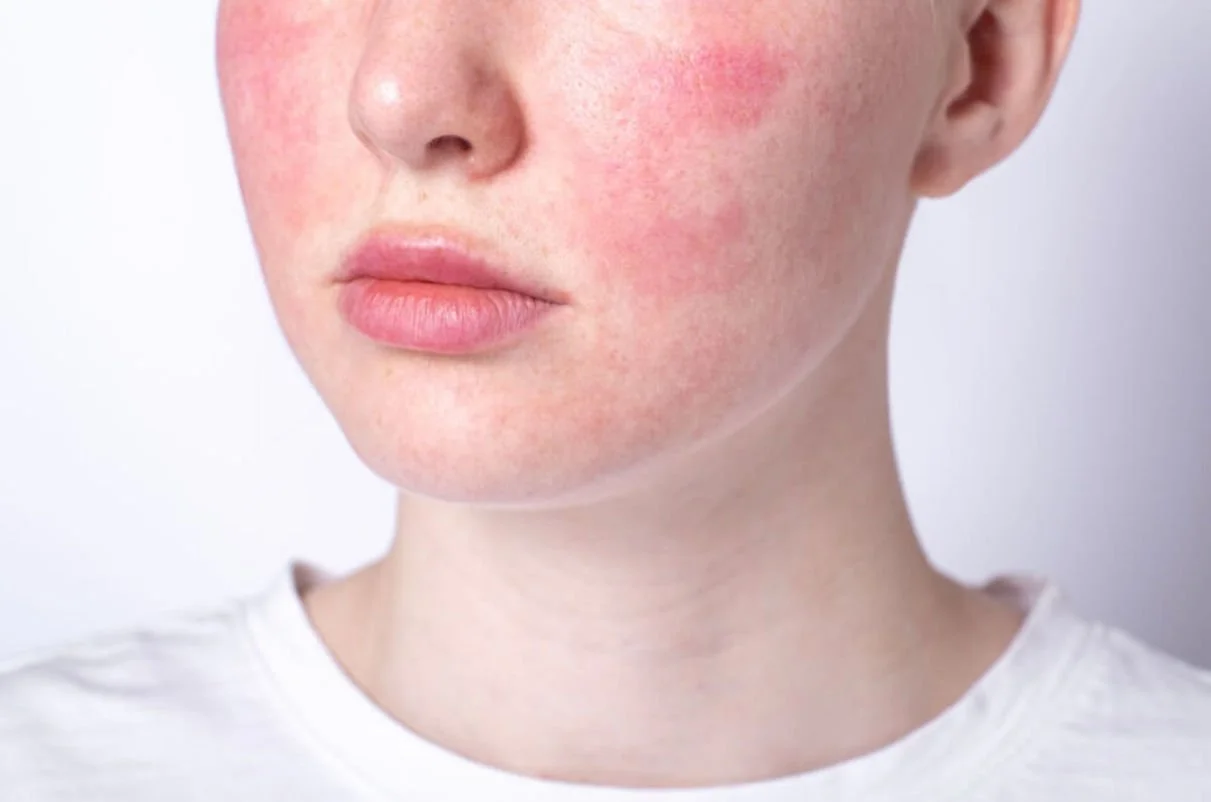
An example of erythematotelangiectatic rosacea.
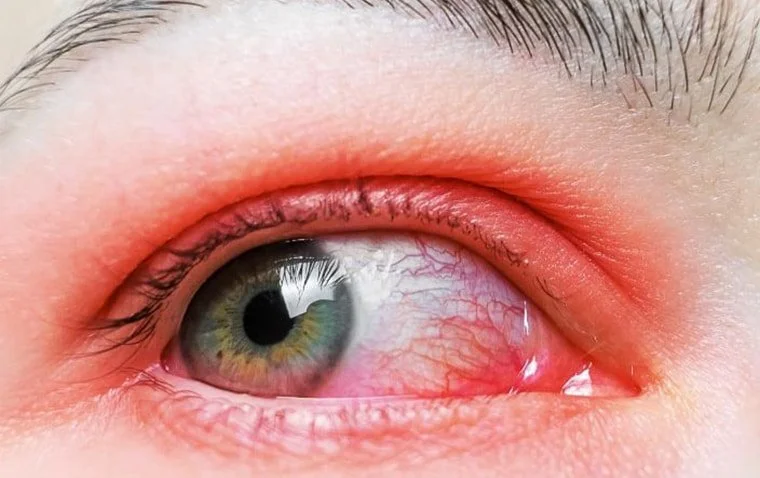
An example of ocular rosacea.
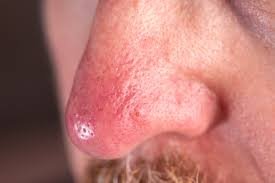
An examlpe of phymatous rosacea.
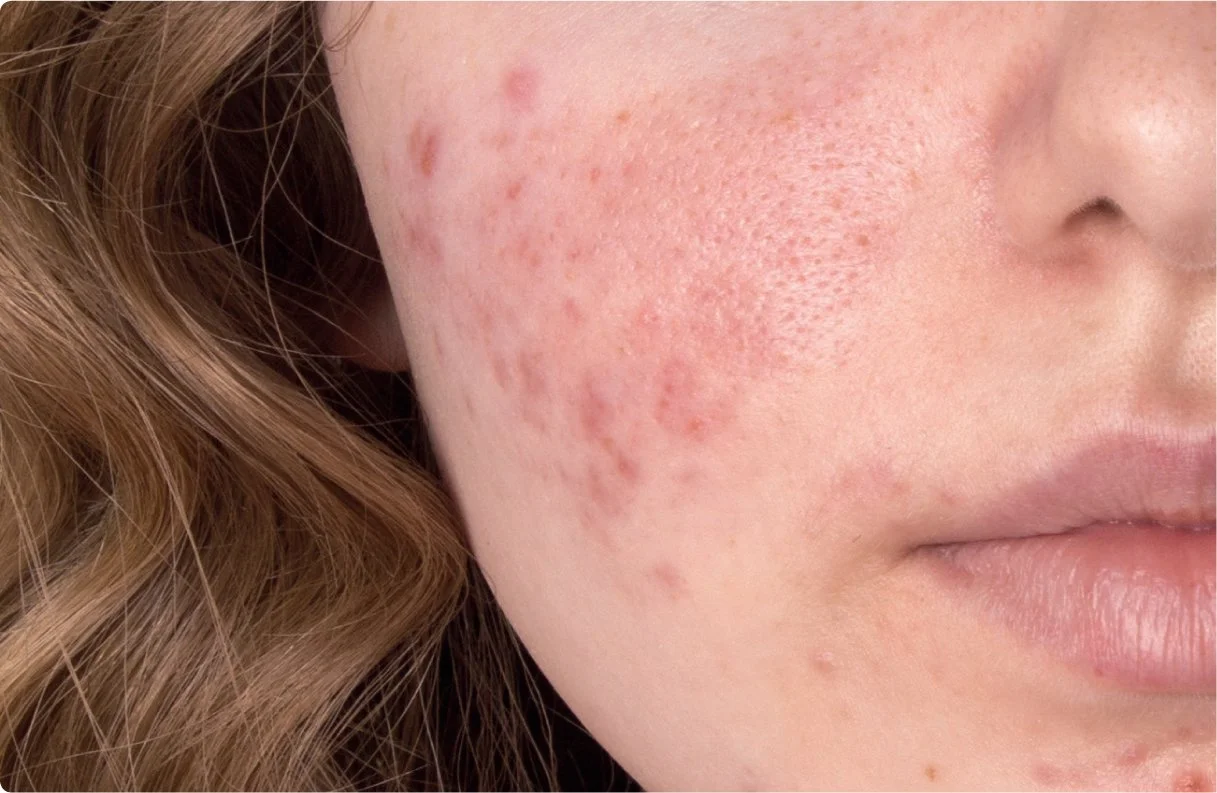
An example of papulopustular rosacea.
