Clear Skin: Tackling Blackheads and Whiteheads
The first time when I got a blackhead on my nose was when I was about 12. I had no clue what to do with it, since I was at a boarding school. The most logical thought that came to my mind was to pop it, but after endless attempts to do so, I ended up looking like Rudolph the reindeer. But I did it! Little did I know that when I got rid of one, the next blackhead would appear on my face within a week. Ever since then, blackheads kept showing up, and I couldn’t help but wonder—what are they, why do they happen, and how do you get rid of them?
Blackheads, also known as open comedones, appear when the epidermis (the outermost layer of the skin) does not get exfoliated enough, meaning that sebum cannot leave the pore, causing it to get clogged. When sebum gets stuck in the sebaceous gland, melanin (pigment) gets oxidized, turning the clogged pore into a black color. Teenagers' skin is more prone to blackheads, because of hormonal changes and puberty, causing the sebum to get overproduced.
Whiteheads, known as closed comedones, though like blackheads, get developed in a different way. When a person uses aggressive chemicals, or over exfoliates, the skin’s lipid layer gets broken and over dried, making the skin produce more sebum than it already has. The skin has this reaction, because it is trying to recover the broken layer, and eventually it will overproduce sebum, clogging the pore. When a whitehead appears, it means that there is an inflammatory process going under the skin.
Sebaceous glands (where the sebum gets produced) and hair follicles are located next to each other, which means that there will be blood perfusion. This happens so that the hair follicles could exchange oxygen and waste between blood and cells. Whenever blood perfusion occurs, vascularization happens, which happens to ease the blood flow. Blood perfusion reaches hair follicles and ultimately affects sebaceous glands as well. Since the blood is not sterilized, bacteria, like Propionibacterium, enters the gland, and that is how inflammation begins, causing white heads to appear.
Though the mechanism behind blackheads and whiteheads is different, the causes are the same. One of the biggest reasons why they appear is a bad diet. A diet filled with sugar and especially lactose, worsens the intestinal microflora, causing leaky gut syndrome. It’s a condition where the lining of the small intestine becomes more permeable than usual, allowing bacteria and toxins to pass into the bloodstream. This triggers the inflammation process. Another reason is hormonal changes, which happen especially during teenage years, due to puberty. Since hair follicles and sebaceous glands start to grow in extreme, sebum doesn’t have enough time to leave through the pore. The amount that exits is smaller than the amount that is being produced, making it unproportional. The bacteria pile up, and once again causes inflammation to happen.
Getting rid of open and closed comedones is not as complicated as it might seem. Looking at the skin care side aspect of it, enzyme powders, exfoliations, and sebum controlling creams will work best to prevent overproduction of sebum. After exfoliating, make sure to repair your skin barrier with a moisturizer, to prevent a damaged lipid layer. It is also good to use a topical antibacterial cream, to prevent inflammation and bacterial growth. Obviously, keeping a diet without sugar, lactose, and gluten will help tremendously. A lot of people are tempted to pop them, but that will give a short-term effect, because when you pop comedones, the blood perfusion with the bacteria will move on to the next hair follicle and pore, causing comedones to appear again.
So, the next time you feel the urge to pop that tiny dot on your nose, pause for a second. With a little patience, some skincare, and maybe a few dietary changes, you will find it’s less about fighting your face and more about learning to work with it. If you have any questions, or would like some product recommendation, email here: caspain.glow25@gmail.com.
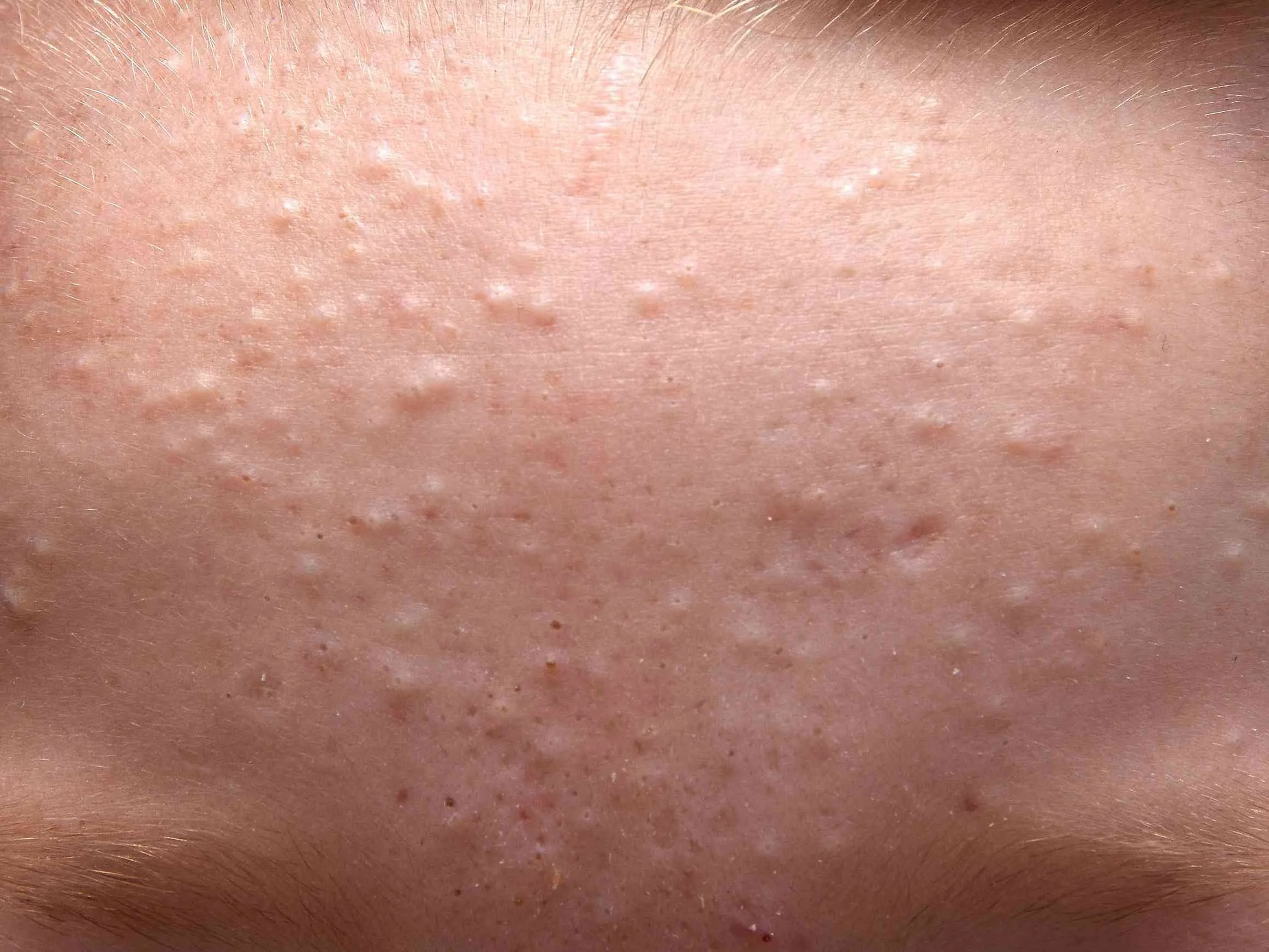
An example of closed comedones/whiteheads.
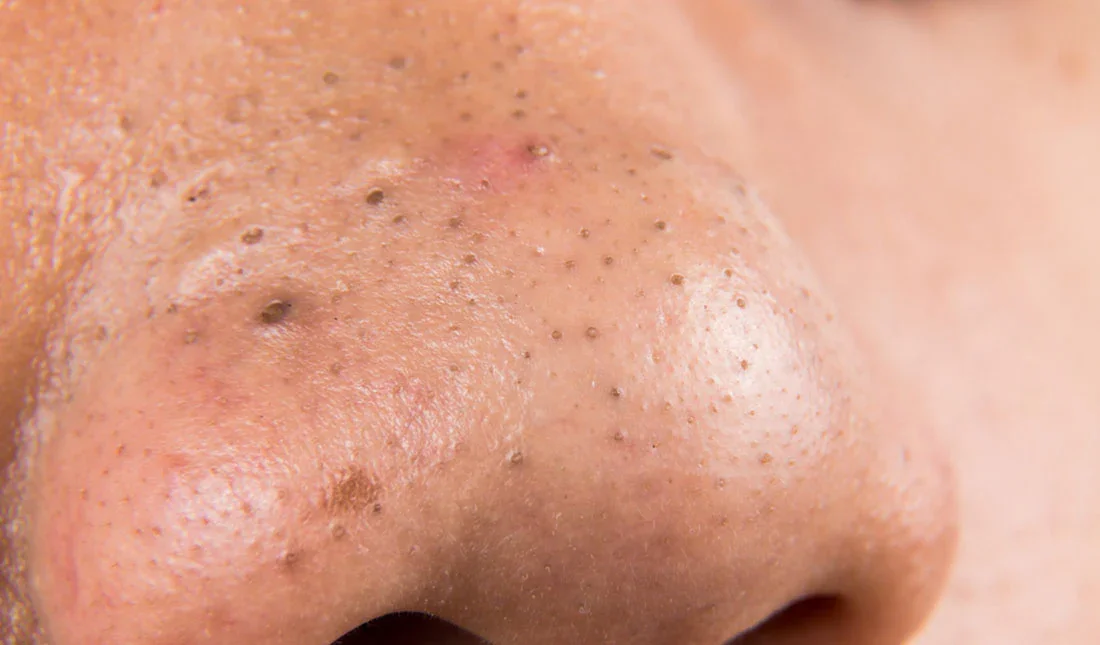
An example of open comedones/blackheads.
