Skin types and appropriate skin care. Part 2: Dry and sensitive skin.
The second skin type is dry. Typically, dry skin generates less sebum than any other skin type. As I have mentioned previously, sebum protects the skin and keeps it hydrated, and without enough sebum, the skin could quickly lose moisture and look dehydrated and flaky. It usually makes the skin tighter with visible texture. The common trigger for dry skin is damaged skin barrier, causing the skin to be more irritated and itchier; and since the skin barrier retains water, when it gets broken, water can escape, making the skin feel dry. Other factors may include lifestyle habits, environmental factors, like harsh weather, and harsh chemicals. People with dry skin are more prone to sensitivity and elevated risk of wrinkles. Usually people with dry skin do not have acne, since there is not enough sebum produced to clog pores, but if you do, you should visit an ENT specialist. The cause of the inflammatory process might be coming from your mouth, teeth, nose, and ears, meaning you need to look for the reason on a deeper level.
A few tips for dry skin are: trying to avoid taking long hot showers, since that might worsen dryness, by taking the water. Try to not scrub the skin, because that can take off the lipidic layer, and strip off the moisture. Protect your skin from UV rays, and stay away from tanning beds. Also, using an eye cream from an earlier age is recommended, since dry skin is more likely to develop wrinkles and crow’s feet.
Sensitive and dry skin have the same skin routine that they should follow, so before continuing with the skin care, I will first talk about sensitive skin.
The third skin type is sensitive. Sensitive skin is not determined through how much sebum your skin produces. Rather, the skin is more delicate than other types. Sensitive skin is easier to trigger by harsh chemicals and alcohol (which occasionally can be found in skin care), because those ingredients dry out the skin, and make it even easier for reactions to occur. Usually, sensitive skin might have red/pink undertones, feel tight or sun burned, and feel irritated after using skin care. This might be because of a damaged skin barrier- the outer layer of the skin- and when choosing skin care, it is important to take into consideration that fact.
My tips for sensitive skin are: always protect the skin from the sun, using spf. This step is very important, since it reduces irritation that could be caused from UV rays. When looking for skin care, check if the product contains fragrance, or alcohol. As I have mentioned previously, that causes redness, and makes your skin even more sensitive and vulnerable.
Here is the skin care routine, both for dry and sensitive skin.
Morning skin care: Start with washing your face with a face wash, for dry/sensitive skin, or don’t wash your skin in the morning, if you feel tightness after doing so. Next, use a toner, to fix the lipid layer, which will help with hydration. After that, apply a serum with hyaluronic acid, for the same reason. In order to lock everything in, use a moisturizer, and to protect from the sun, use spf.
Night skin care: To clean your face at night, start with a face wash, for dry and sensitive skin. Later, apply the same toner that you used in the morning. Lastly, before going to bed, use a moisturizer for hydration. Try to avoid retinol at night, to not cause further dryness.
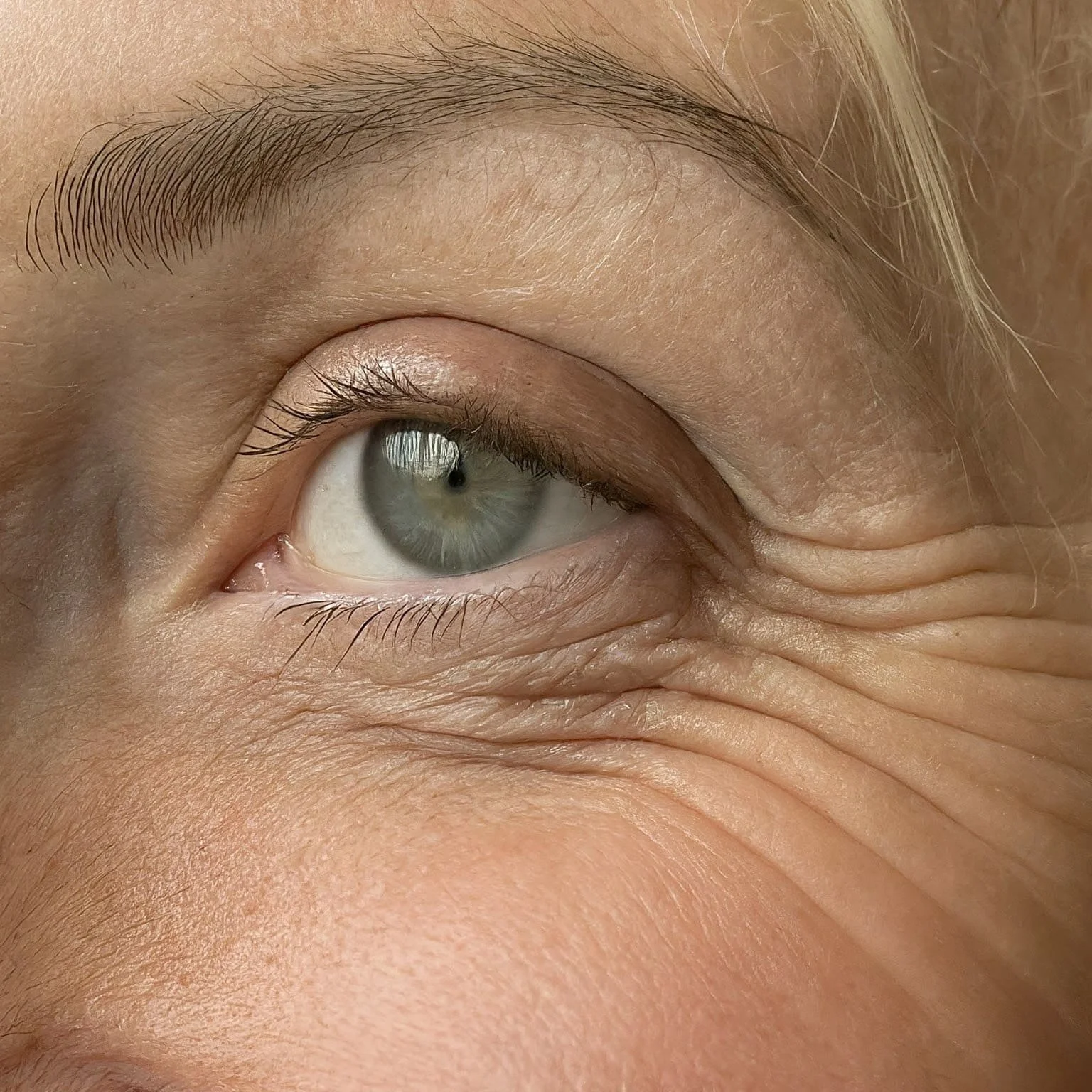
Crow’s feet/wrinkles near the eye area.
